
conviction without collapse
on social justice, ego and staying sober while speaking up.

Last month, I went viral for speaking publicly about something political. My nervous system reacted as if I had committed a crime.
I felt like I was in trouble.
I was wrecked with anxiety as comments streamed in, some bordering on hate speech. I felt the urge to delete what I had written, the few negative comments somehow carrying more weight than the overwhelmingly positive ones. I had spoken out against my school on a controversial topic, and the 14-year-old girl inside me became convinced she was going to get into trouble.
But the truth is, the polite girl I once was would never have written the article in the first place.
For most of my life, being liked felt like the most important thing in the world. My main goal was to keep the peace wherever I was, no matter the cost. I was incredibly agreeable, even when I had every right to disagree. I didn’t challenge authority — I feared it. I avoided discomfort and scanned rooms before speaking, as if I needed permission to take up space. I apologised constantly, sometimes for simply existing.
I know now what I was afraid of: rejection. Being perceived negatively. Being difficult. As someone who often felt like she was fighting for her safety in subtle ways during childhood, this fear felt existential. So I kept myself small. I swallowed any instinct to stand up for myself or for what I believed in. I couldn’t afford to rock the boat.
And yet, I was extremely sheltered. While I experienced some discrimination at school, I wasn’t fully aware of what was happening beyond its walls. I lived a privileged life, insulated from the daily struggles many other South Africans faced. I didn’t realise how fortunate I was — that my parents, who had lived through Apartheid, had worked hard to create a world in which I didn’t have to worry about survival.
University didn’t initially disrupt that insulation. At the University of Cape Town, I gravitated toward other private school kids because it felt familiar. Safe. But when I went on to study journalism at Wits, during the height of Fees Must Fall, something shifted. I was confronted with realities that unsettled me — stories of exclusion, financial precarity and systemic injustice that directly impacted people who looked like me.
I began the year intending to pursue lifestyle or music journalism. Halfway through, that plan changed completely. Something in me woke up — and it was angry. I became acutely aware of injustice, and after years of avoiding conflict, all I wanted to do was fight.
And fight I did.
I poured myself into what I believed was the good fight, often to my own detriment. I focused on journalism that interrogated social justice issues and spent far too much time arguing online and in person. Speaking out fed my dopamine. It made me feel powerful. It made me feel righteous. But it also deepened my depression. I was emotionally entangled in everything — unable to detach from the stories I covered or the hostility that often followed.
I began to over-identify with being an activist. It felt like redemption for the years I had stayed silent. I had found my voice — and I used it with rage, urgency and desperation. But that desperation exhausted me. I couldn’t separate myself from the fight, and the fight began to consume me.
Recovery changed everything.
I realised I had been operating from a dangerous place — one where conviction and ego were often intertwined. I had to learn to pause before engaging. I had to ask myself: Why am I saying this? Is this integrity or is it validation-seeking? Am I responding, or reacting?
Sometimes speaking up stroked my ego. It felt good to be affirmed. But when criticism came — and it always does — I unravelled. Recovery forced me to prioritise emotional regulation over reaction. I had to learn to pick my battles. To detach. To sit with discomfort without trying to numb it.
Recovery hasn’t asked me to be silent. It has asked me to be responsible.
Responsible means recognising that not every injustice is mine to carry. It means understanding that my nervous system cannot live in a constant state of moral emergency. It means trusting that I can contribute meaningfully without being consumed.
After stepping away from emotionally charged public discourse for a while (outside of my professional journalism work), I’ve returned differently. I’m learning to speak without becoming self-righteous and to listen without erasing myself. I’m practising stepping back from outcomes — speaking without needing to win. I’ve disengaged from comment sections when necessary. I’ve allowed others to disagree without feeling responsible for changing them.
I will still get it wrong. I will still overreact. I will still crave validation and feel the pull of being liked. But I am no longer willing to be polite if it means betraying myself. At the same time, I don’t want to be loud if it means losing myself to ego or outrage.
Balance, I’m learning, is discernment.
It’s knowing when to speak and when to step back. It’s choosing integrity over approval. It’s trusting that my voice does not need to be raised to be powerful — and that my silence does not need to be rooted in fear.
I’m not trying to become fearless. I’m trying to become regulated.
And for now, that feels like freedom.
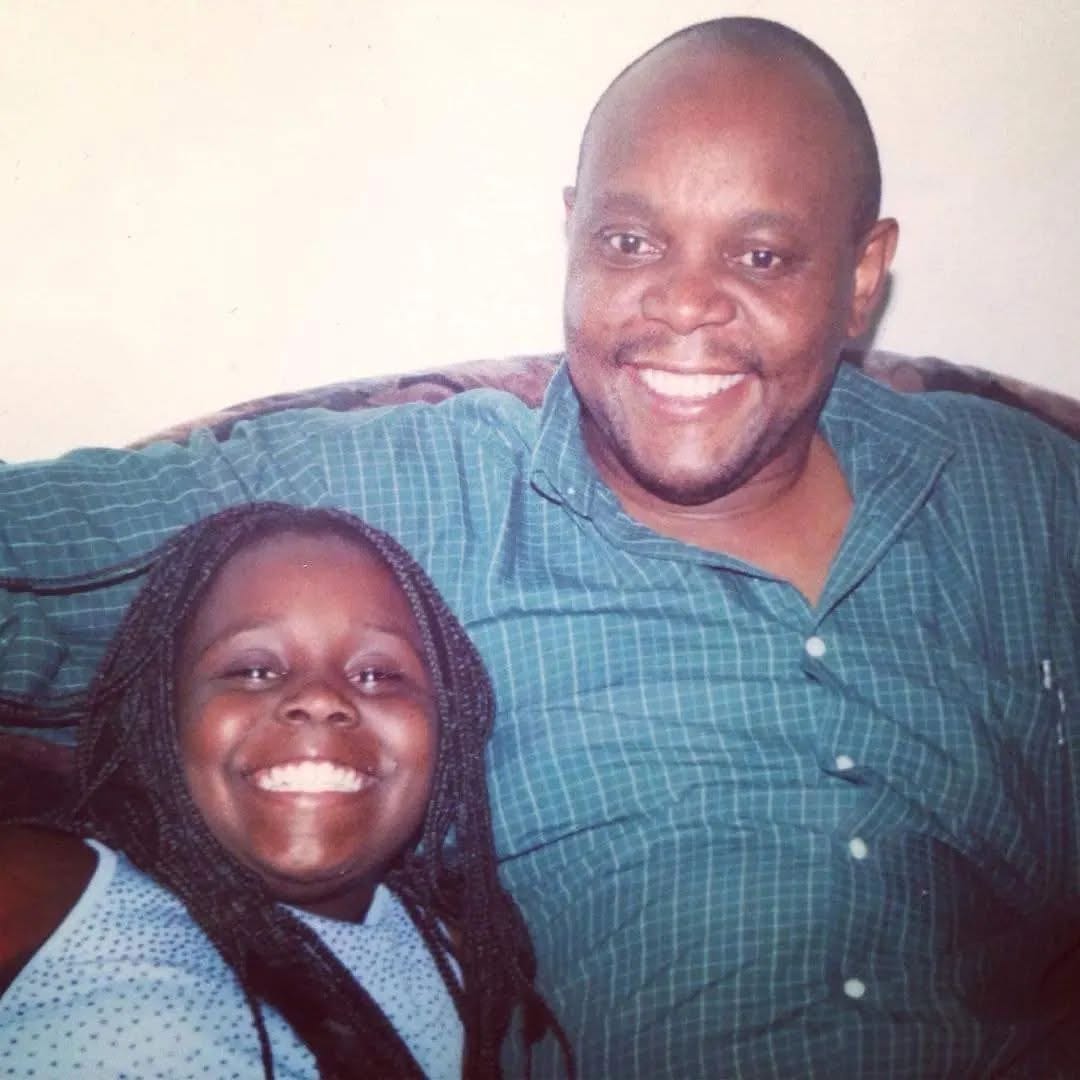
I, at the age of almost 61, have learned everything from this post. Here is to regulation. Amen.